Supporting breastfeeding mothers during Ebola
When Marléne* sits down to breastfeed her two-month-old daughter, Deborah*, she is doing the most natural thing in the world. But doing it in the middle of an Ebola outbreak makes Marléne worry.
“As breastfeeding mothers, this really scares us. People say the disease is transmitted through contact. For example, if I am infected,” Marléne explains, “My child could also become infected. This is what worries us the most – how we can protect our children?”
Overcoming fear
She is not alone in asking that question. In communities across the eastern Democratic Republic of Congo where Ebola is present, breastfeeding mothers face a particular kind of uncertainty: they want to do right by their children, but they do not always have the information they need to know what ‘right’ looks like during a disease outbreak.
Like many people in her community, Marléne has seen images and videos of people who have become infected: “From what we see circulating on mobile phones, we notice the symptoms. For example, in someone who is sick, we see bleeding, vomiting, and blood coming from the nose.” That unfiltered information, which is often frightening, is how much of what she knows about the disease has reached her.
When Marléne brought Deborah to a health centre for her scheduled vaccinations, she received practical guidance that speaks directly to a mother who is breastfeeding and wants to know how to do so safely: “Wash hands and maintain physical distance,” she says. “These are the measures I will follow at all times, even when doing small daily tasks.”
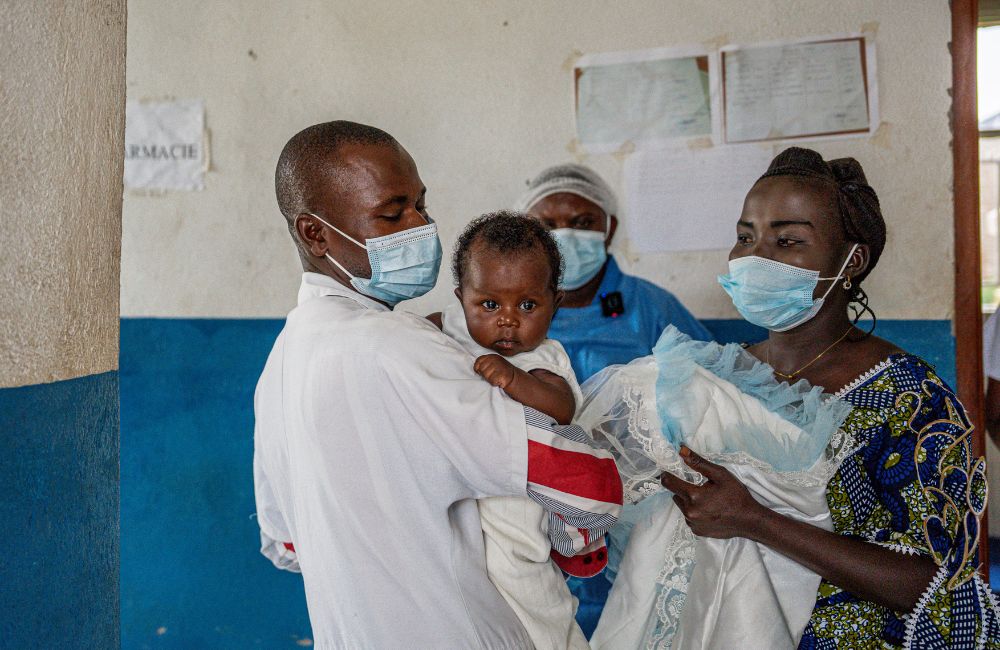
Health worker Bienvenu* tends to baby Deborah at the health centre.
Practical support
She now knows how to keep herself safe, and what her community still needs to look after everyone: “What we need here are gloves, medicines, handwashing facilities, and soap. These items will truly protect us.” says Marléne. “We also need more handwashing stations because there are not enough. This way, wherever we go, we can always find a place to wash our hands.”
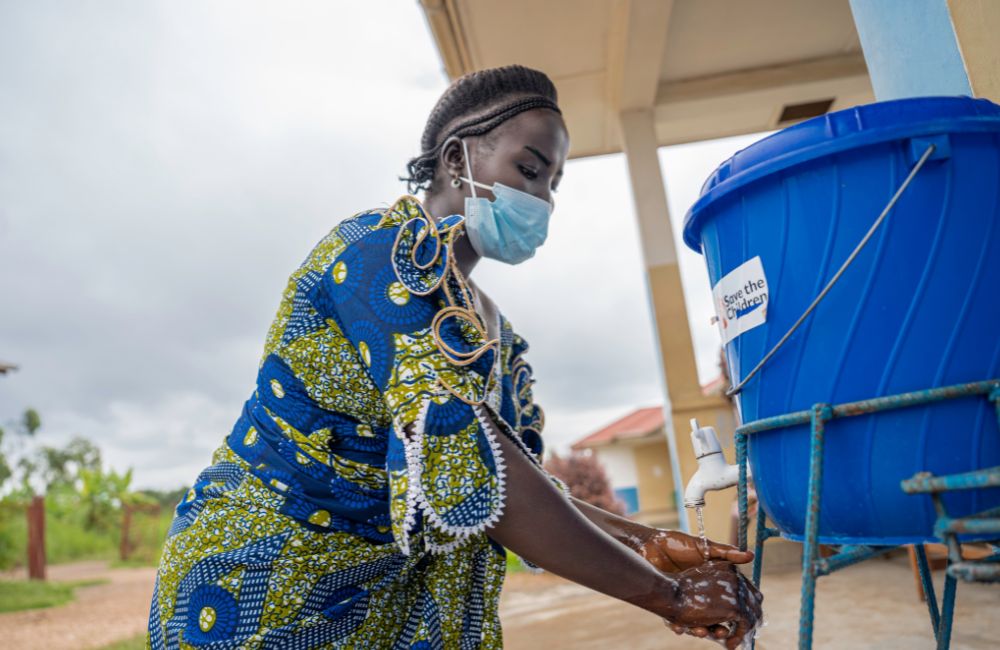
Marléne uses one of the handwashing stations that has been placed in her community.
Thanks to our supporters, Save the Children has been working alongside this health centre for several years, delivering access to essential medicines, nutrition care for children experiencing malnutrition, and community awareness on infant feeding and hygiene – including guidance specifically for breastfeeding mothers and caregivers. When the Ebola outbreak was declared by the Ministry of Health, that support scaled up quickly to include infection prevention and control kits, protective equipment for health workers, hygiene supplies, screening tools, and safer waste management systems were all made available to help limit the spread.
With all this support, Marléne learnt that with the right precautions in place, she can continue to breastfeed Deborah safely.
Photos: Save the Children.
*Names changed to protect identities.